
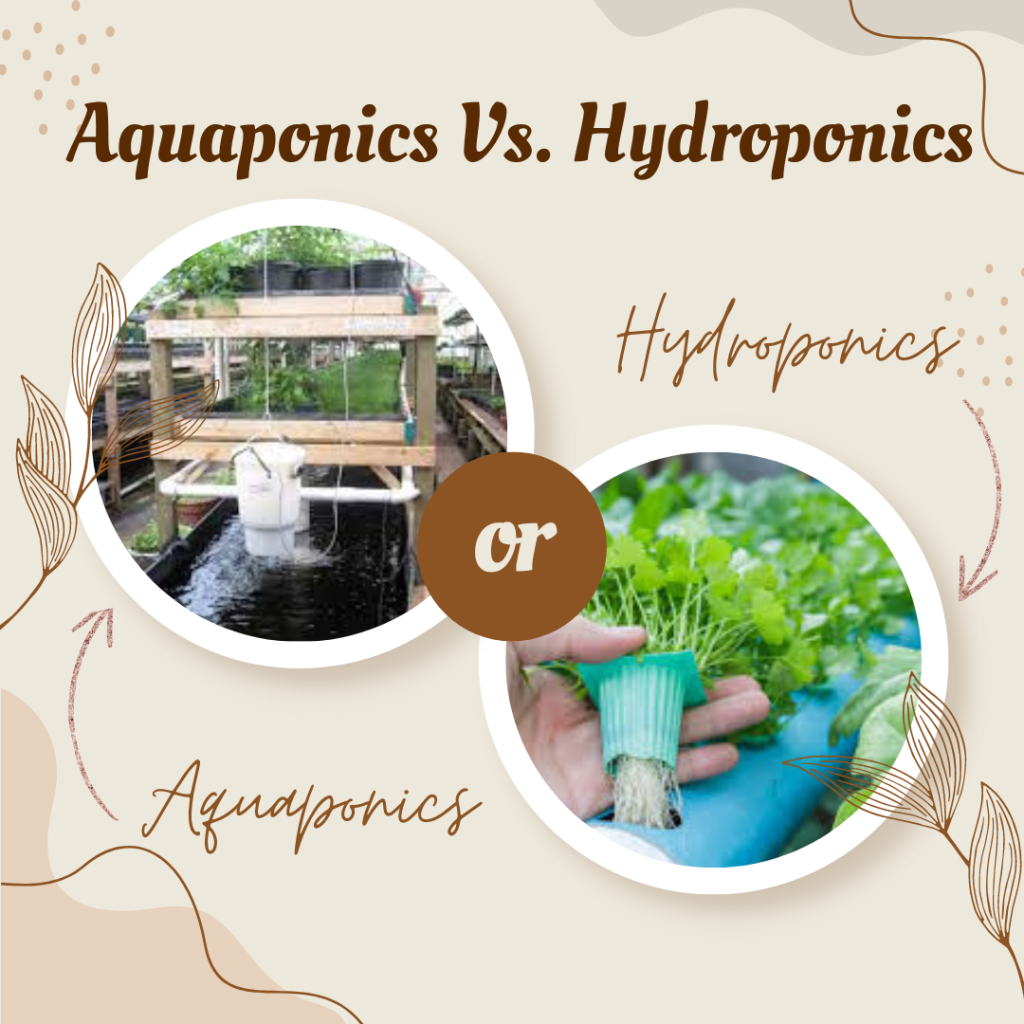
Aquaponics vs hydroponics are two popular methods of soilless farming that have gained significant attention over the years.
Both systems are similar in that they do not require soil to grow plants, making them efficient ways of producing food in limited space.
However, they differ in design, structure, cost, nutrient management, and more. In this article, we will delve into the intricacies of both aquaponics and hydroponics to understand their differences and similarities.
What is Hydroponics?
Hydroponics is a method of growing plants without soil by using a nutrient-rich water solution. The plants are grown in a controlled environment, usually indoors, and the water is recirculated throughout the system to minimize waste.
The nutrient solution provides the necessary nutrients for plant growth, and the controlled environment ensures optimal growth conditions, resulting in higher yields and faster growth rates.
What is Aquaponics?
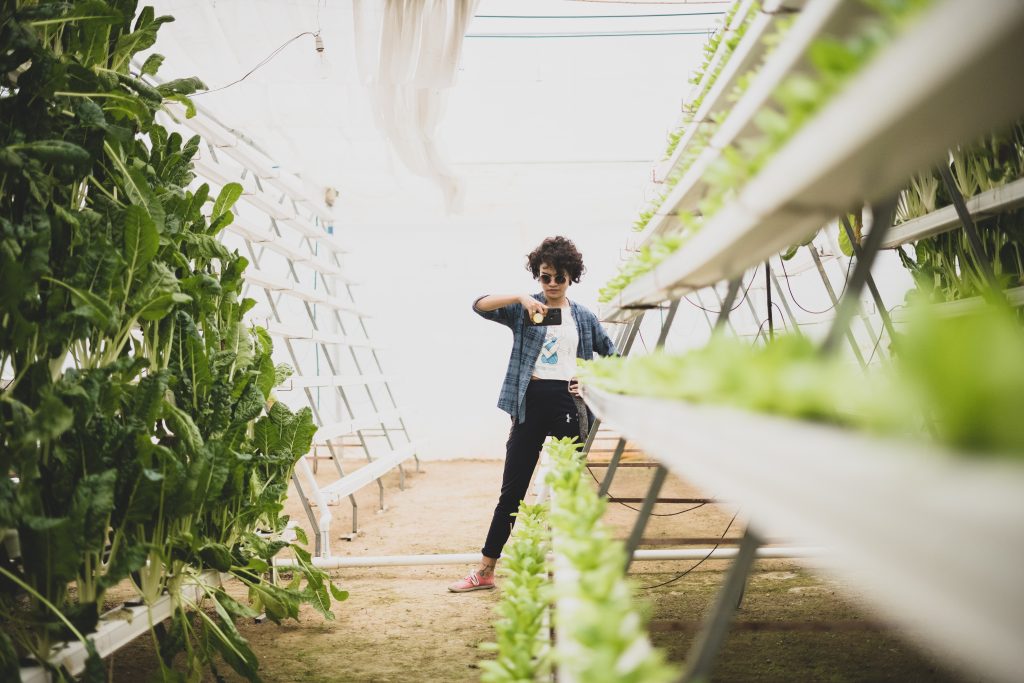
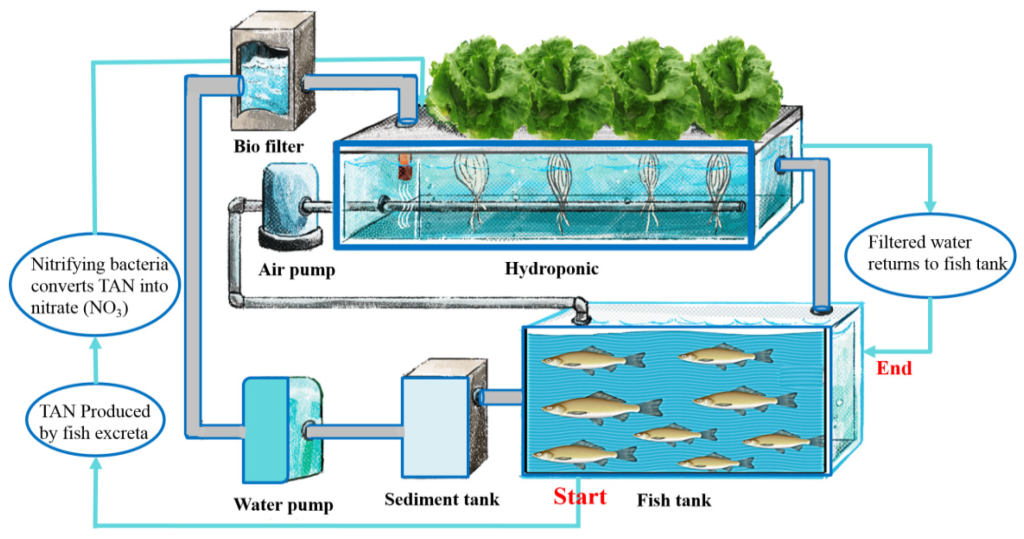
Aquaponics is a system of farming that combines aquaculture and hydroponics. The system involves using fish waste to fertilize plants, which in turn purify the water that returns to the fish. This symbiotic relationship between plants and fish makes aquaponics a sustainable and environmentally friendly method of farming.
The plants grown in an aquaponics system can range from leafy greens to fruiting crops such as tomatoes, cucumbers, and strawberries.
Aquaponics vs Hydroponics: A Comprehensive Comparison
Aquaponics vs hydroponics is a very famous topic these days. Both are are both soilless methods of farming that require less space than traditional farming methods. Both systems use water as a growing medium and can be used to produce high yields of fresh produce in a controlled environment. The main difference between aquaponics and hydroponics is the nutrient source. In aquaponics, fish waste provides the nutrients for plant growth, while in hydroponics, a nutrient-rich water solution is used.
Aquaponics is a closed system where the waste from fish feeds the plants, and the plants clean the water for the fish. Hydroponics, on the other hand, requires periodic flushing of the system to replace the nutrient solution. Another difference between the two systems is the cost. Aquaponics requires an initial investment in fish and equipment to set up the system, while hydroponics requires an initial investment in equipment and nutrient solutions.
By understanding the differences between aquaponics and hydroponics in terms of their definition, structure, nutrient management, crop variety, system cost, productivity, maintenance, cycling periods, and waste disposal, farmers can make an informed decision on which system is best suited for their needs and goals.
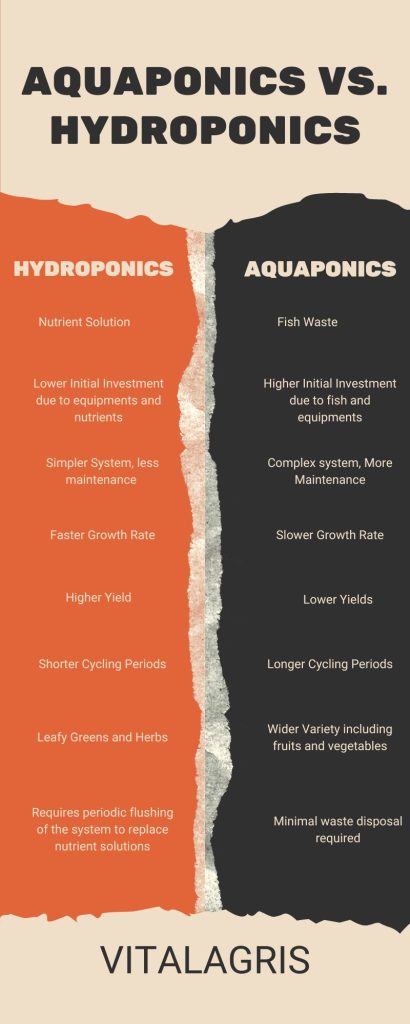
To better understand the differences and similarities between aquaponics and hydroponics, let’s take a look at a comprehensive comparison table:
| Comparison | Aquaponics | Hydroponics |
| Definition | A system that combines aquaculture (fish farming) and hydroponics (soilless plant cultivation) in a closed-loop system, where fish waste provides nutrients for plants while the plants purify the water for the fish. | A system that involves growing plants in a nutrient-rich water solution, without the use of soil. |
| Nutrient Management | The fish waste serves as a natural fertilizer for the plants, which absorb the nutrients they need from the water, while the plants filter and purify the water for the fish. | The plants are grown in a nutrient solution that is carefully monitored and adjusted to provide the ideal balance of nutrients for optimal growth. |
| Crop Variety | Generally limited to leafy greens and herbs, although some farmers have successfully grown fruits and vegetables in aquaponic systems. | Offers a wider variety of crops, including fruits, vegetables, and herbs. |
| Productivity | Slower growth rates and lower yields compared to hydroponics, but produces healthier and more flavorful crops. | Faster growth rates and higher yields compared to aquaponics, but crops may be less flavorful due to the absence of soil. |
| System Cost | Typically requires a higher initial investment due to the need for fish and equipment to maintain the aquatic environment. | Generally requires a lower initial investment due to the simplicity of the system and the use of nutrient solutions instead of fish. |
| Maintenance | More complex system that requires careful management of both the fish and plants, including monitoring water quality, maintaining the aquatic environment, and ensuring the health of the fish and plants. | Simpler system that requires less maintenance, but still requires monitoring of the nutrient solution and pH levels to ensure optimal plant growth. |
| Cycling Period | Longer cycling periods compared to hydroponics due to the need for bacterial colonies to establish in the system to convert fish waste into nutrients for the plants. | Shorter cycling periods compared to aquaponics, since nutrient solutions can be easily adjusted to provide the ideal balance of nutrients for plant growth. |
| Waste Disposal | Minimal waste disposal required, since the plants use the fish waste as fertilizer and the fish waste is converted into nutrients for the plants. Requires periodic flushing of the system to replace nutrient solutions, which can result in waste disposal issues if not properly managed. | Requires periodic flushing of the system to replace nutrient solutions, which can result in waste disposal issues if not properly managed. |
Why Hydroponics is Better than Aquaponics
While both aquaponics and hydroponics have their advantages, hydroponics is a more popular method of soilless farming due to its simplicity and efficiency.
Hydroponics allows for better control over the nutrient solution, resulting in higher yields and faster growth rates. It also allows for a wider range of crops to be grown and can be set up in smaller spaces.
Aquaponics requires a more complex system with fish and plants, making it a more delicate system that requires more maintenance. The fish in an aquaponics system can be sensitive to changes in water temperature, pH, and nutrient levels, making it more challenging to manage.
Bottom Line
In conclusion, both aquaponics and hydroponics are soilless methods of farming that have gained popularity in recent years due to their efficiency and sustainability. While aquaponics is an innovative system that uses fish waste to fertilize plants and purify water, hydroponics is a simpler and more popular method of farming that provides better control over nutrient solutions, resulting in faster growth rates and higher yields.
When choosing to invest in these two systems, it’s important to consider factors such as crop variety, system cost, maintenance requirements, and productivity. Ultimately, the decision will depend on the specific needs and goals of the farmer.